Make choosing you easier.
Clear answers and a simple next step help turn customer interest into an enquiry.

We build AI-ready customer experiences that help people choose your services, enquire, and book. Our Digital Growth Upgrade connects your tools, with less manual follow-up for your team.
Get a free assessmentA fictional example: a homeowner finds ABC Handyman Services through Google. They describe a cabinet door that will not close. AI guidance asks whether the hinge is loose and recommends cabinet repair from the listed services. Behind the scenes, the business’s booking system uses AI to recommend a specialist from approved service experience profiles and checks connected calendar availability. The customer sees the service and proposed appointment, not the internal comparison. The customer confirms the proposed appointment. The selected specialist receives the booking and an AI summary for review. Search and scheduling use ordinary connected tools. AI guidance and matching depend on accurate service information, verified specialist profiles, connected calendars, agreed routing rules, and review controls. Search results and appointment availability are illustrative. This video has no audio.
Clear service information, connected tools, and reliable processes let AI help with questions and follow-up. Start with what your business needs today.
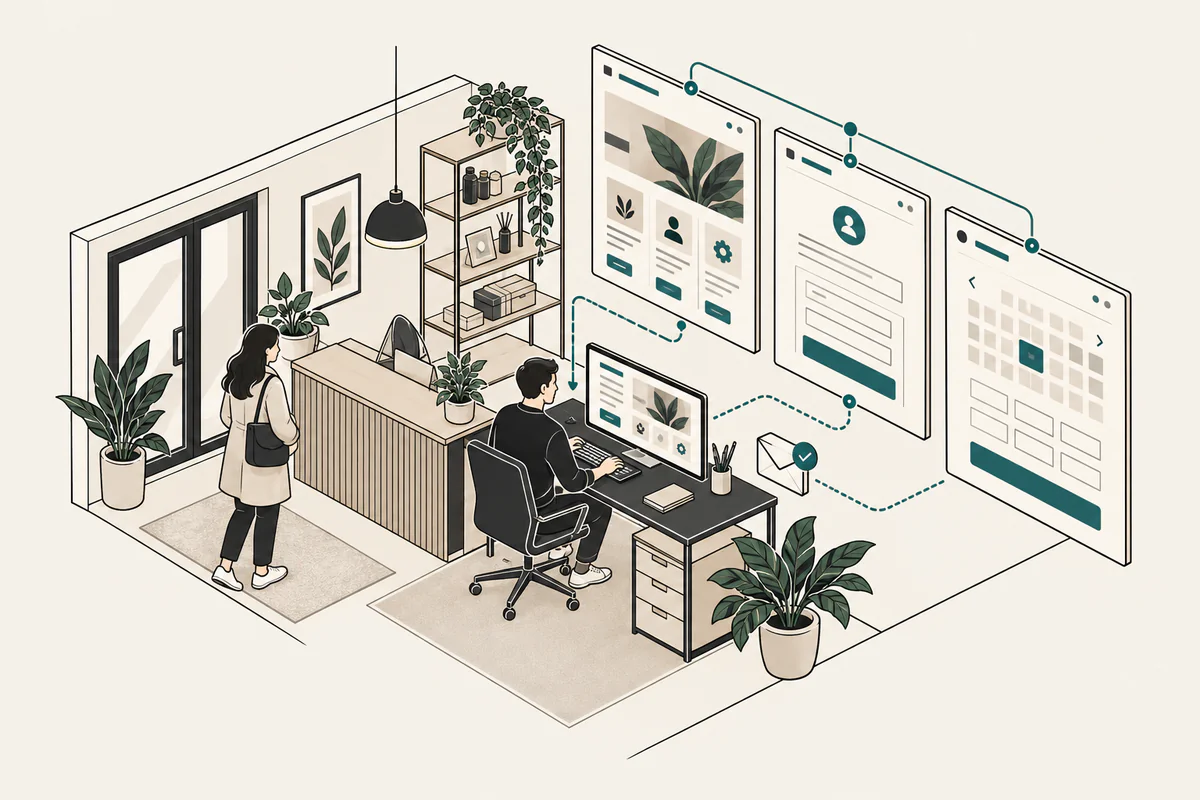
A better experience for your customers. A setup your team can manage.
Start with the part that costs you time or loses enquiries. We agree the improvements, price, and handover before work begins.
Upgrades from CA$99. Start with a free assessment.
Discover our servicesClear answers and a simple next step help turn customer interest into an enquiry.
Connected forms, AI-assisted reply drafts, and reminders help your team respond and follow up.
Automate repetitive work and manage everyday changes yourself, with optional help when you need it.
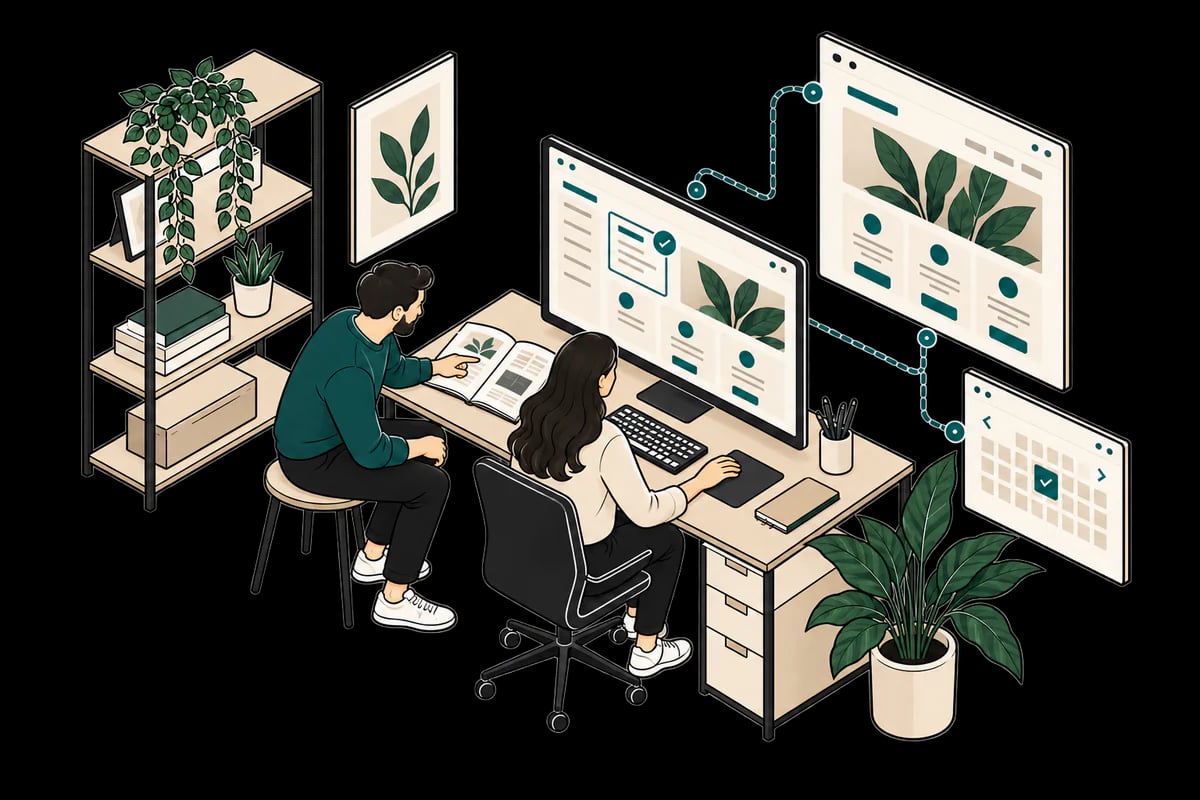
Get account access, a practical guide, and help until you’re comfortable making everyday updates.
Your digital presence. Your accounts. Your control.
Manage it yourself, or choose optional monthly help.
Small, agreed sprints. Feedback at every stage.
We work alongside your team, with on-site sessions when agreed. See a preview, try the changes, and help shape the result.
See how we workBased in Vancouver, we help small businesses in Burnaby, Surrey, Richmond, and across the Lower Mainland.
Running a nonprofit? Explore our free Digital Foundations program.
Get a free Digital Growth Assessment. Recommendations by email in 1 day.
Get a free assessment